
Navigating Tariffs and Export Regulations for Firearms Exports and Imports in 2026: A Comprehensive Guide
The international trade in firearms, ammunition, and related components remains one of the most regulated sectors globally. In 2026, evolving tariffs, export controls, and import requirements continue to shape the industry, affecting costs, compliance, and market access for brokers, dealers, and manufacturers.
Whether you're involved in surplus military firearms, civilian sporting rifles, or ammunition, understanding 2026 firearms tariffs and regulations is critical for successful and legal transactions. This guide provides an overview of key rules in major markets, recent changes, and practical advice for navigating the complexities of firearms exports and imports.
1. U.S. Import Tariffs and Regulations in 2026
The United States is the world's largest importer of firearms and ammunition, but strict controls and tariffs create significant barriers.
Tariffs on Imported Firearms and Ammunition: Reciprocal and national security measures have increased duties on goods from several countries. In 2026, imports from certain origins face ad valorem rates ranging from 10% to over 40%, substantially raising landed costs for rifles, pistols, and ammunition.
ATF and Commerce Department Oversight: Most commercial firearms and ammunition fall under the Export Administration Regulations (EAR) after the 2020 transition from ITAR for non-automatic items. However, ATF Form 6 permits are still required for imports, and compliance with U.S. Munitions List (USML) categories remains for military-grade items.
Key Restrictions: Bans on imports from embargoed nations and limitations on "assault weapons" or high-capacity magazines in some states.
Practical Tip: For surplus dealers, demilitarization to parts kits can bypass some restrictions while maintaining profitability in the U.S. market.
2. European Union Import Duties and Export Controls
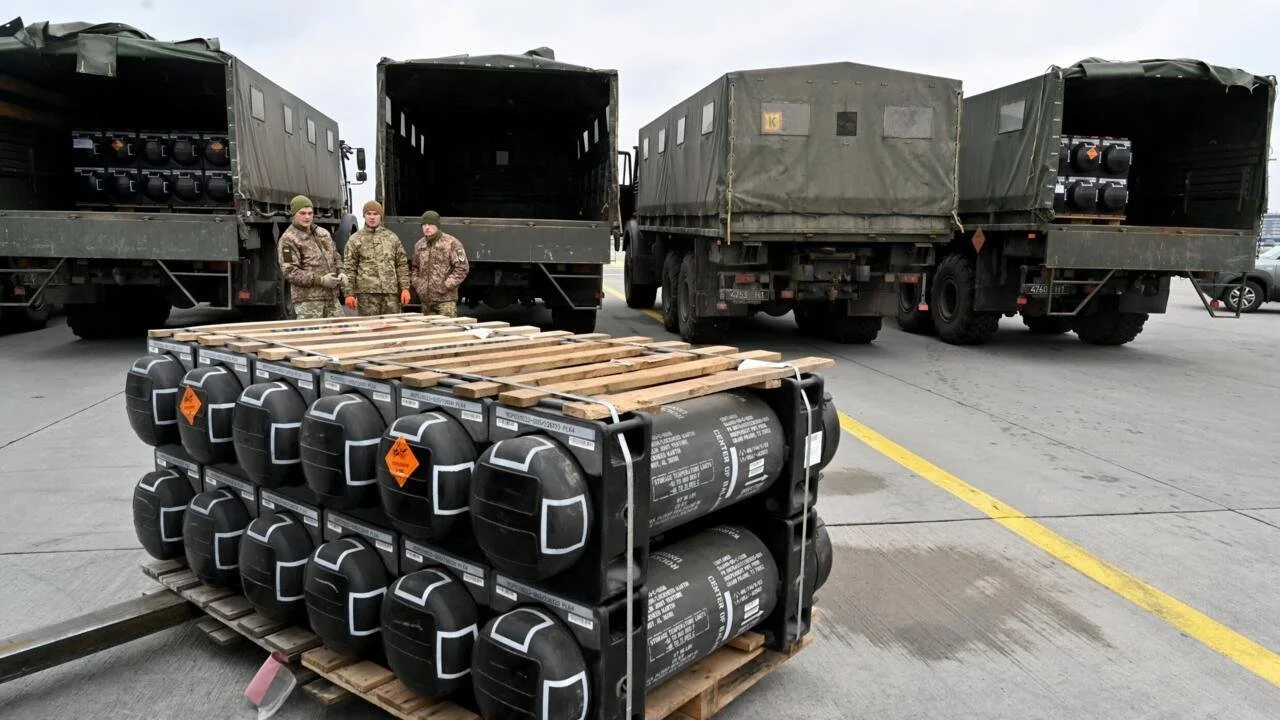
The EU maintains a harmonized approach to firearms trade, emphasizing traceability and security.
Import Duties: Under free trade agreements like EVFTA (Vietnam) and others, duties on originating firearms and ammunition are often 0% or phased to zero. Non-FTA origins may face standard Common External Tariff rates (typically low for sporting firearms).
Export Regulations: EU Common Position 2008/944/CFSP governs exports, requiring risk assessments and End User Certificates (EUC). National authorities (e.g., ANCEX in Romania) issue licenses.
2026 Updates: Enhanced marking and tracing requirements under the recast Firearms Directive aim to combat illicit trafficking.
Practical Tip: Intra-EU transfers are simpler for authorized economic operators, making European surplus an attractive option for regional buyers.
3. Regulations in Emerging Markets: Asia and Africa
Asia: Exporting countries like Vietnam and Pakistan offer competitive pricing but require strict national export licenses. Buyers must provide EUCs, and delivery terms (FOB common) shift shipping risks to importers.
Africa: High demand for reliable surplus, but import permits, EUCs, and compliance with UN/EU embargoes are mandatory. Some nations have streamlined processes for sporting/hunting firearms.
Practical Tip: Work with experienced forwarders specializing in hazardous goods (Class 1 for ammunition) to manage sea freight and documentation.
4. Global Best Practices for Compliance and Success in 2026
End User Certificates: Essential for most exports – verify authenticity to avoid diversions.
Licensing: Obtain export/import licenses early – processing can take weeks to months.
Tariff Classification: Use correct HS codes (9301–9307) to avoid misclassification penalties.
Risk Management: Screen buyers against denied parties lists and embargoes.
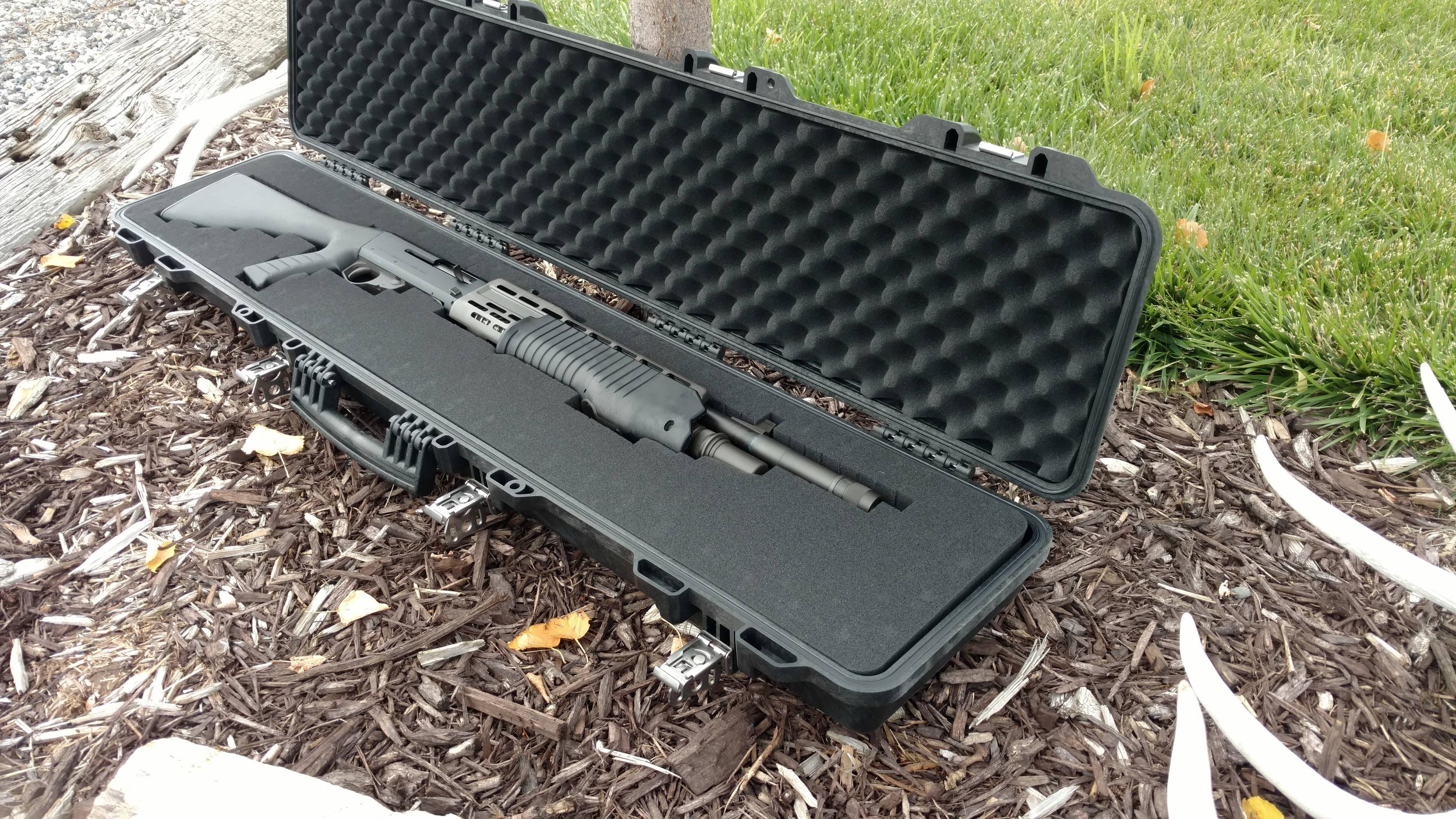
Shipping Considerations: Firearms are controlled/hazardous – use compliant carriers and insurance.
Conclusion: Stay Informed for Profitable and Compliant Trade
Firearms tariffs and export regulations in 2026 reward prepared, compliant operators. While challenges exist (higher U.S. tariffs, strict EU tracing), opportunities abound in surplus markets and FTA benefits.
At Serban Incorporated & Partners, we specialize in legal, efficient surplus firearms and ammunition trade from Europe. Contact us for guidance on current lots and compliant exports.
Ready to explore 2026 opportunities? Reach out today.
